
Gas vs Diesel Ram Trucks: Which Engine Is Best for Your Work?
Table of Contents
- Choosing the Right Engine for Real Work in South Georgia
- Gas vs Diesel Ram Trucks: What's the Main Difference?
- Ram Gas Engines
- Ram Diesel Engines
- Power and Performance: Torque, Towing, and Capability
- Maintenance and Ownership Costs: What to Expect Over Time
- Upfront Price: Is a Diesel Truck Worth the Extra Cost?
- Best Uses for Gas Ram Trucks
- Best Uses for Diesel Ram Trucks
- Shop Gas and Diesel Ram Trucks at Woody Folsom CDJR in Baxley
- Gas vs Diesel Ram Truck FAQs
- Which Engine Is Right for Your Work or Lifestyle in Baxley, GA?
- Fuel Efficiency and Range: Which Engine Saves More Fuel?
- Is a Diesel Ram Truck Better for Towing?
- Do Diesel Trucks Last Longer Than Gas Trucks?
- Is a Diesel Truck Worth the Extra Cost?
- How Much Maintenance Does a Diesel Truck Require?
Choosing the Right Engine for Real Work in South Georgia
If you are shopping for a Ram truck in Baxley, one of the biggest decisions you will make is not the trim level. It is the engine. Gas and diesel Ram trucks are built for very different types of work.
Some drivers need strong everyday performance with a lower upfront cost. Others need high torque for towing heavy trailers, hauling equipment, or handling farm and job-site demands.
Understanding how these engines perform in real-world conditions across South Georgia can help you avoid overpaying or underbuying.
Gas vs Diesel Ram Trucks: What's the Main Difference?
The difference comes down to how the engine produces power and how that power is used. In short, gas equals flexibility and lower cost, while diesel equals torque and heavy-duty performance.
Ram Gas Engines
Gas engines, such as the 6.4L HEMI V8 in Ram heavy-duty trucks, are built for high horsepower and responsive acceleration. They are ideal for lighter towing, hauling, and daily driving.
Ram Diesel Engines
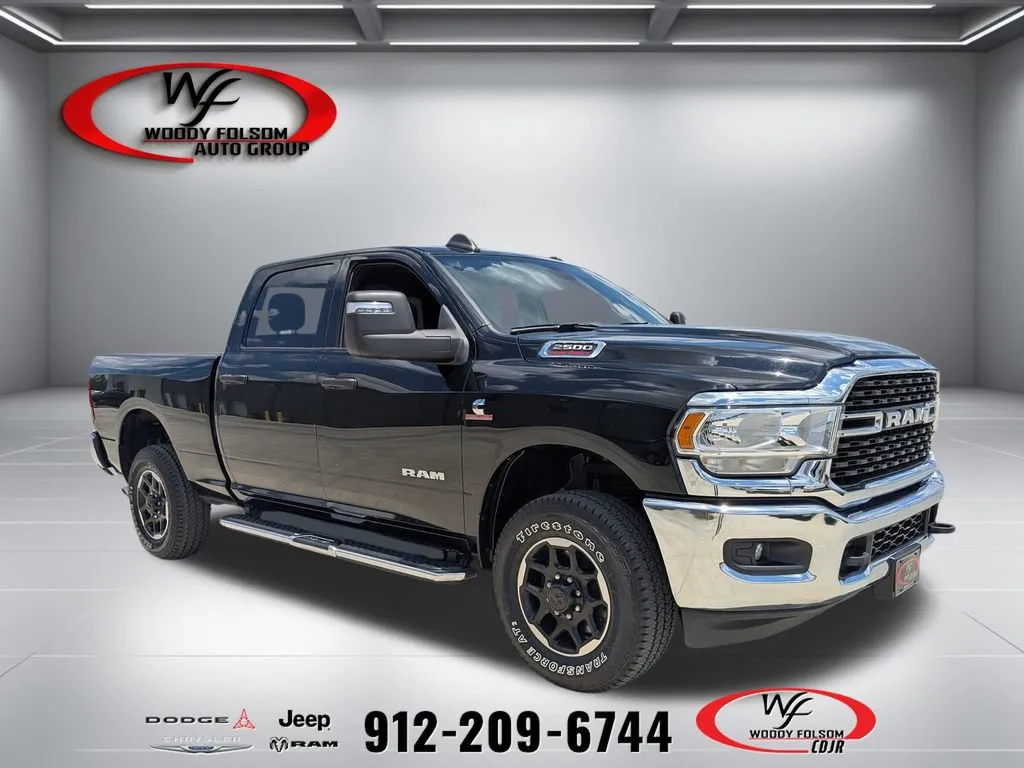
Diesel engines, like the 6.7L Cummins Turbo Diesel, are built for torque. Torque is what moves heavy loads. That is why diesel engines dominate for towing large trailers, equipment, and commercial loads.
Power and Performance: Torque, Towing, and Capability
The numbers tell the story. The 6.4L HEMI V8 gas engine produces 410 horsepower and 429 lb-ft of torque, making it a strong option for hauling and moderate towing.
The 6.7L Cummins Turbo Diesel produces up to 430 horsepower and 1,075 lb-ft of torque in High-Output form. That torque difference is massive and directly impacts towing performance.
Real-world capability:
- Gas Ram 2500 towing: up to about 17,750 pounds
- Diesel Ram 2500 towing: up to about 20,000 pounds
- Diesel Ram 3500 towing: up to about 36,000+ pounds
If you are towing heavy equipment, large trailers, or livestock across Baxley, Waycross, or Valdosta, diesel power is built for that job.
Maintenance and Ownership Costs: What to Expect Over Time
Gas and diesel ownership look very different over time. Gas Ram trucks typically will offer:
- Lower maintenance costs
- Simpler service requirements
- Lower-cost oil changes
- Fewer specialized components
In summary, diesel engines are built to last, but they require more attention and higher service costs. Gas engines are simpler and more affordable to maintain for everyday drivers.
Upfront Price: Is a Diesel Truck Worth the Extra Cost?
Diesel trucks cost more, but for most drivers, it's not negotiable. Most importantly, it's worth every dime. Adding a Cummins diesel engine can increase the price of a Ram truck by several thousand dollars upfront. So when does it make sense? Diesel is worth it if:
- You tow heavy loads regularly.
- You drive long distances with a trailer.
- You need maximum torque and durability.
On the other hand, a gas truck may be the better choice if:
- You use your truck for daily driving.
- You tow occasionally.
- You want to keep upfront costs lower.
The key is matching your truck to your workload.
Best Uses for Gas Ram Trucks
Gas-powered Ram trucks are a great fit for:
- Daily commuting in and around Baxley
- Light to moderate towing
- General construction and home projects
- Drivers who want lower ownership costs
- Buyers who do not need maximum towing capacity
If your truck spends more time driving than towing, gas is often the smarter choice.
Best Uses for Diesel Ram Trucks
Diesel Ram trucks are built for serious work.
They are best suited for:
- Towing heavy trailers and equipment
- Farm and agricultural use
- Construction and commercial workloads
- Long-distance hauling
- Drivers who need maximum torque and durability
If your truck is a tool first and a daily driver second, diesel power is hard to beat.
Shop Gas and Diesel Ram Trucks at Woody Folsom CDJR in Baxley
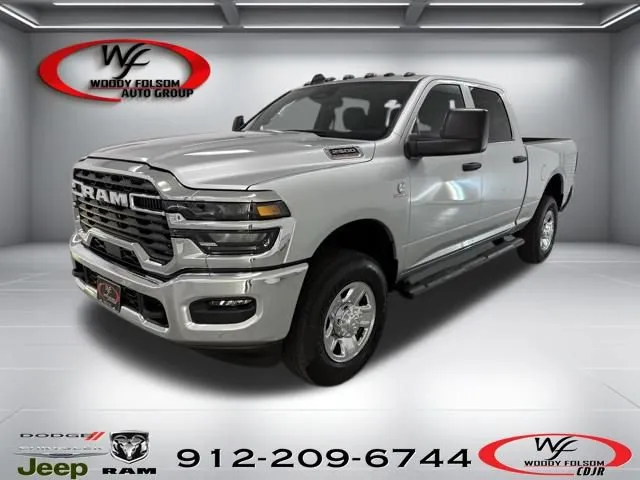
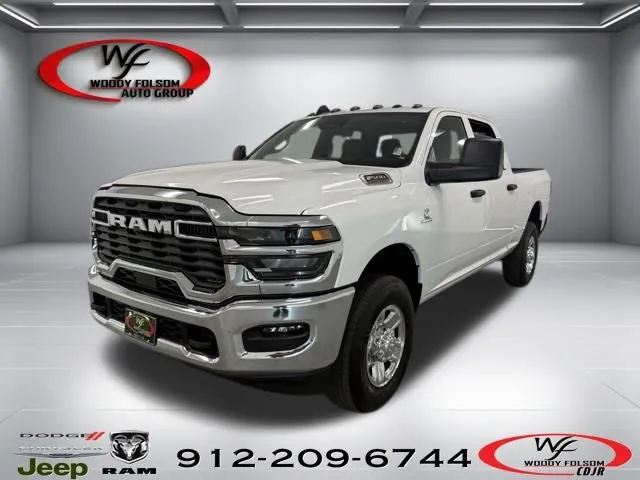
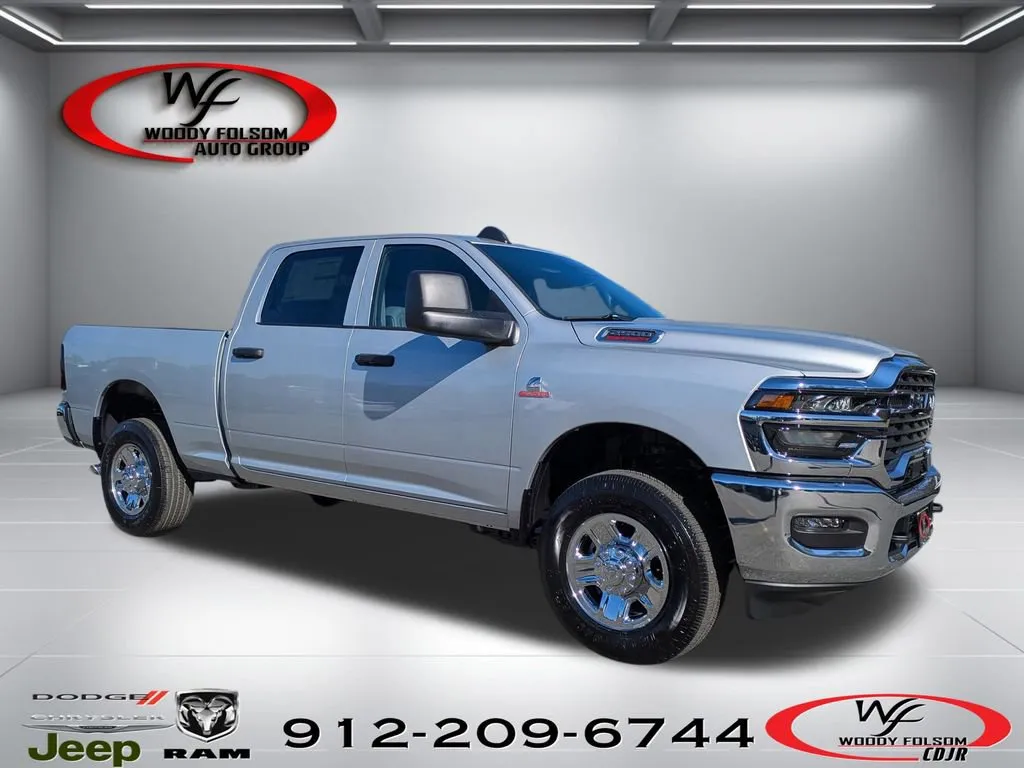
At Woody Folsom CDJR in Baxley, we help drivers across South Georgia choose the right Ram truck for how they actually work and drive. Whether you are comparing gas and diesel options for a Ram 2500 or Ram 3500, our team can walk you through towing needs, cost differences, and long-term ownership considerations.
Gas vs Diesel Ram Truck FAQs
Which Engine Is Right for Your Work or Lifestyle in Baxley, GA?
Choose gas if you drive daily, tow occasionally, and want lower costs. Choose diesel if you regularly tow heavy loads or rely on your truck for demanding work.
Fuel Efficiency and Range: Which Engine Saves More Fuel?
Diesel engines are generally more fuel efficient under load and offer a longer driving range, especially when towing.
Is a Diesel Ram Truck Better for Towing?
Yes. Diesel engines produce significantly more torque, which makes them better suited for towing heavy trailers and equipment.
Do Diesel Trucks Last Longer Than Gas Trucks?
Diesel engines are built for durability and can last longer under heavy use, but they require more maintenance to stay in top condition.
Is a Diesel Truck Worth the Extra Cost?
If you frequently tow heavy loads, the added cost can be justified. If not, a gas engine is often the better value.
How Much Maintenance Does a Diesel Truck Require?
Diesel trucks require more maintenance than gas trucks, including higher-cost oil changes and the use of diesel exhaust fluid, but they are built for long-term durability.